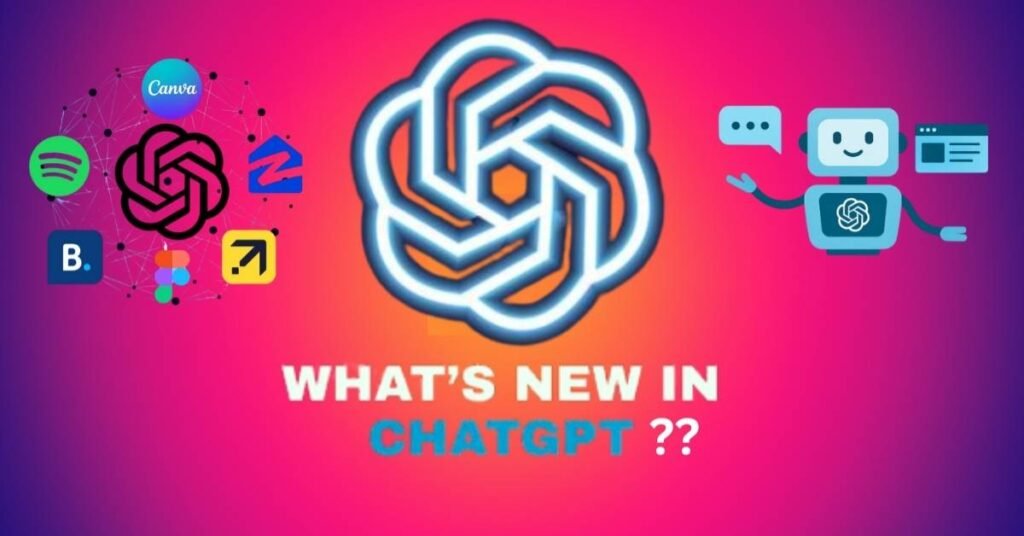
OpenAI announces a game-changing update that turns ChatGPT into something more than just a conversational AI and makes it evolve to become a productivity platform. With built-in apps incorporated into ChatGPT, OpenAI enables users to do more than just chat; now, you can browse the web, code, navigate file systems, or interact with applications, all without switching tools.
These new apps offer a unified user experience that incorporates AI conversations and interactive app-driven experiences. For those asking, “Is it safe to browse and shop all within ChatGPT? OpenAI has created strong privacy and security mechanisms to keep your data and permissions safe.
How Apps Inside ChatGPT Work (Spotify, Canva & Zillow Examples)
With apps inside ChatGPT, users can now access popular offerings such as Spotify, Canva, and Zillow directly in an AI chat window. So how, exactly, do these apps work? Ask ChatGPT for a song, and the Spotify integration slurps in live results immediately — mixing up playlists according to your tastes.
Canva helps you create banners or flyers quickly and right inside the chat; no need to open design software. Zillow offers real-time home listings with details pulled directly into your conversation.
You might wonder, “Can I get real-time updates or browse freely inside ChatGPT?” Yes, the browsing app fetches live data while respecting safety and privacy. This all happens without you leaving the chat, boosting productivity by letting you multitask effortlessly within your familiar ChatGPT conversations.
READ ALSO: OpenAI’s Next Move: AGI by 2025 and the Race Toward Superintelligence
Building for ChatGPT: Inside the New Apps SDK & Model Context Protocol
At a recent developer conference, OpenAI unveiled the apps SDK, a developer-facing toolkit enabling coders to build third-party tools inside ChatGPT. For developers asking, “What makes this SDK different?” the new platform offers APIs to connect apps with ChatGPT’s neural network while maintaining context, so the AI understands ongoing conversations and switches apps smoothly. App developers may also control permissions to help mitigate certain privacy issues.
If you’re curious, can anyone build an app for ChatGPT now? Yes, the SDK is accessible to app developers worldwide. Build an app for ChatGPT now and create an innovative new-generation ChatGPT app to help the ChatGPT ecosystem grow rapidly. This ChatGPT SDK is a powerful, yet safe way to enhance ChatGPT.
ChatGPT as an Operating System: The Platform Strategy Explained
OpenAI sees ChatGPT as an AI platform of sorts, akin to an operating system that does almost everything from coding and browsing the web to creative tasks. This, in turn, gives you a unified user interface and built-in workflows that save time — no more toggling between apps. For users asking, “Will it feel like using separate apps or one whole system?”, it all feels like one seamless experience because ChatGPT integrates app capabilities with ongoing conversations.
No matter what you’re doing, whether working or taking a break, this ChatGPT configuration is designed to maximize your productivity and make ChatGPT an all-in-one AI assistant. With ChatGPT, ChatGPT helps streamline tasks efficiently.
Commerce & Monetization in ChatGPT: Instant Checkout and Revenue Models
Instant Checkout enables you to instantly check out without leaving ChatGPT. Wondering, “Is buying inside ChatGPT secure?” OpenAI implements secure payment systems that ensure safe transactions with a rapid pay process.
You can make money from single sales (using a Checkout), by introducing subscriptions, or showing ads to your users, while a large user base gets a hassle-free shopping experience. This seamlessness indicates the expanded scope of ChatGPT from AI chat into a full commerce platform.
Privacy, Permissions & Mature Apps Controls in ChatGPT
OpenAI tackles data privacy rigorously. You may be wondering: “How much control do I have over my data and the permissions that I grant to apps?” Each app within ChatGPT asks for permission openly, and you can revoke access anytime. Apps are also subject to mature content restrictions, so trustworthiness is maintained.
Those are the kinds of privacy issues that have been at the forefront, finding a way for users to use apps in an immersive way and still have strong protections and feel confident when they’re engaging with these integrated apps.”
ChatGPT’s App Directory & Roadmap for 2026
OpenAI will also provide a large app directory featuring third-party and native applications. You may be thinking, “Is the app catalog going to grow quickly?” What OpenAI’s roadmap doesn’t say is that by 2026, they hope to widen the diversity of apps while enhancing how well AIs can incorporate them seamlessly into ChatGPT conversations. The aim is for an ecosystem that feels active and responsive to user desires.
Embedded UI vs Conversational Output: How ChatGPT Blurs App Boundaries
One interesting thing is: how ChatGPT combines embedded UI with conversational output. That is, apps can show interactive elements like buttons or sliders right inside your chat. Others wonder, “Doesn’t that make it more complicated to use apps?” The truth is, it makes life easier by enabling you to take action on functions right from your conversation.
Agents + Apps: ChatGPT’s Next Step Toward Autonomous Tasks
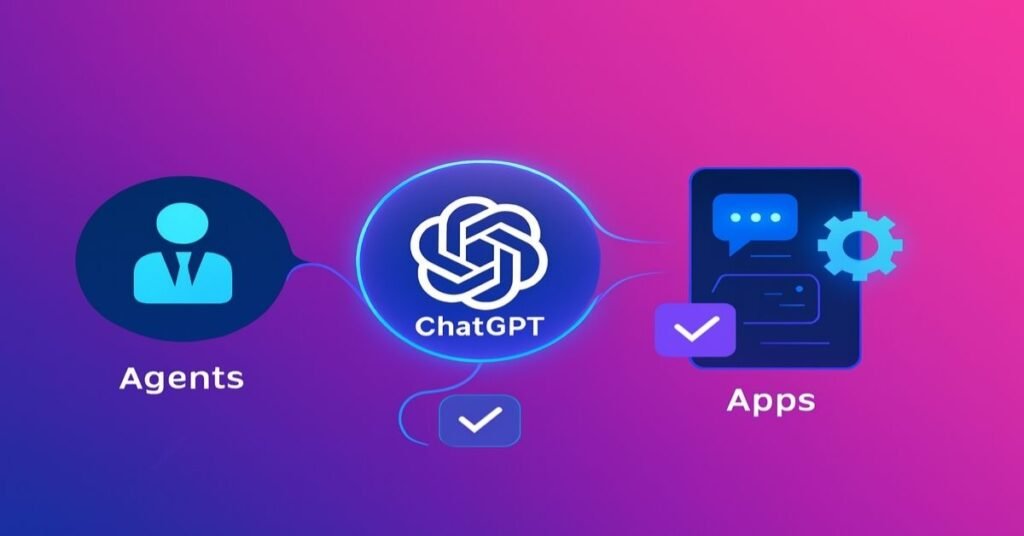
As it looks to the future, OpenAI will be mixing apps with autonomous agents capable of automatically handling more difficult jobs on your behalf. You might ask, “Does this mean ChatGPT could actually get stuff done without constant input?” Yes, these agents will coordinate multiple apps to complete multi-step tasks, changing how you delegate projects.
By turning ChatGPT into a full productivity AI platform with built-in apps like browsing, coding, and file tools, OpenAI launches a future where AI chat is your gateway to action. This transformation enhances your user experience with integrated tools, smart automation, and top-notch privacy. As this new chapter unfolds, expect even smarter, faster, and more versatile AI conversations.
FAQs
Can ChatGPT build apps?
Yes, ChatGPT can help build apps by generating code, suggesting frameworks, and providing step-by-step guidance, but it cannot directly publish or run apps on its own.
What are ChatGPT apps?
ChatGPT apps are applications developed on top of ChatGPT’s AI functionalities, which enable users to accomplish tasks such as writing, coding, data analysis, or automating workflows within a customized interface. They effectively productize what’s possible with ChatGPT.
Can I use OpenAI in my app?
Yes, you can use OpenAI in your app by adding its API. Your app then has access to things like ChatGPT, DALL·E, or other AI models for text, images, and code.
How to make an app like ChatGPT?
To develop an app similar to ChatGPT, you will have to integrate OpenAI’s API for transforming plain language into AI and create a user-friendly interface, back-end logic for processing requests, protect it with security measures, along with scalability, and create a data architecture.
Can AI build complex apps?
Yes, AI can help build complex apps through code generation, design suggestions, and automating repetitive tasks, but humans are required for design, integration, and quality control.

Ansa is a highly experienced technical writer with deep knowledge of Artificial Intelligence, software technology, and emerging digital tools. She excels in breaking down complex concepts into clear, engaging, and actionable articles. Her work empowers readers to understand and implement the latest advancements in AI and technology.