
World’s First 6G Chip represents a massive leap forward in wireless technology that’ll transform how we connect. Scientists at Peking University and City University of Hong Kong just cracked the code on something extraordinary. Their breakthrough universal 6G chip operates at speeds of 100 gigabits per second – they would download a full movie in seconds.
This isn’t just another tech announcement that fades into obscurity. We’re talking about a semiconductor trump card that could reshape everything from cyberpunk cities to rural connectivity. The implications stretch far beyond faster Netflix streaming.
6G Chip Hits 100 Gbps: What Changes Now
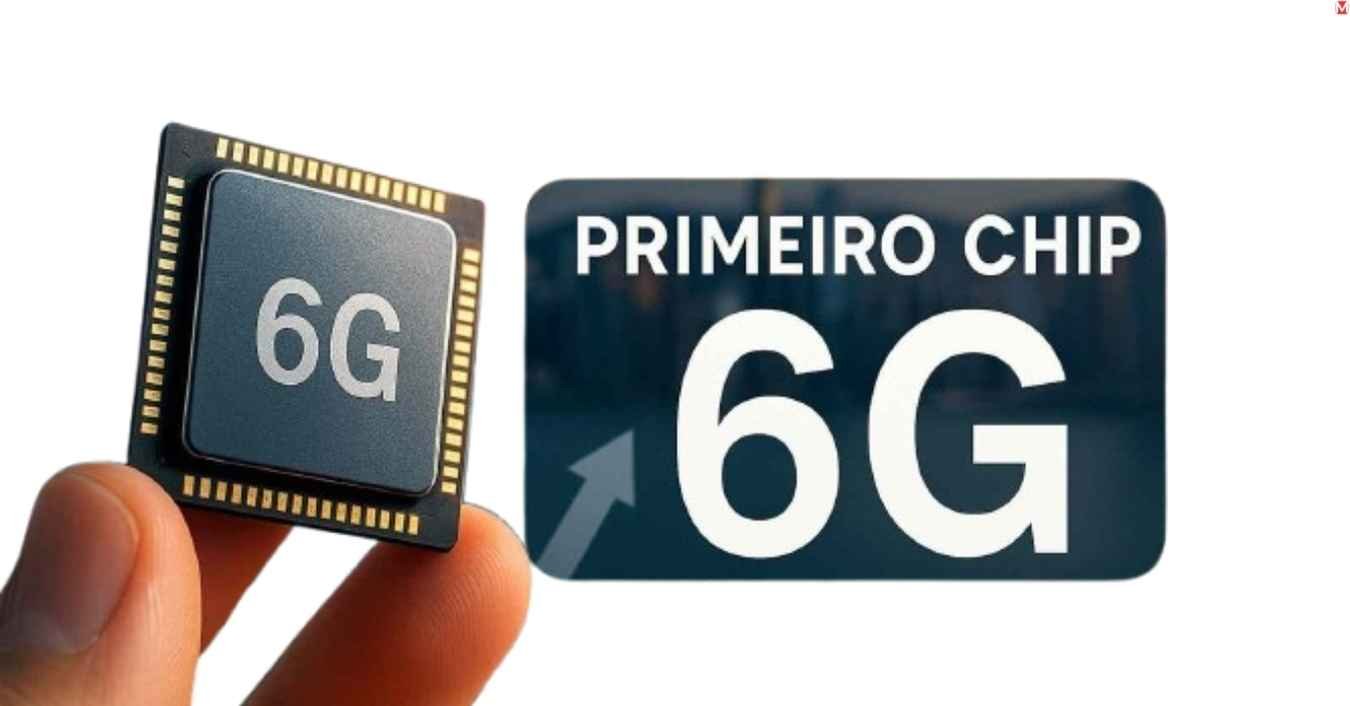
The World’s First 6G Chip doesn’t just promise speed – it delivers mind-bending performance that makes 5G look sluggish. Picture downloading a 50GB 8K movie in under four seconds. That’s the reality that this sixth-generation chip brings to the table.
Here’s what changes immediately
- Instant cloud: Don’t wait for your files to synchronize or your applications to launch.
- Holographic calls: Real-time, Star Wars-style 3D video chatting
- Lagless gaming: Competitive gaming is about to change forever
- Smart city revolution: Traffic lights, monitoring sensors, and security cams tie in seamlessly
The financial effect is also stark. These industries, which rely on fast data transfer from Chinese merchants hawking goods on digital marketplaces to financial traders, are suddenly running at supercharged speeds. This 6G technology would also eliminate the bottlenecks that currently hobble digital commerce.
Rural areas benefit most. So even “Real Ghost in the Shell-esque” aggregations of concrete, steel, and fiber already have 4G/LTE availability. Still, they can now also enjoy the calculated end of the digital divide. Farmers in rural areas receive the same blazing speeds as downtown businesses.
Inside the All-Frequency 6G Chip Breakthrough
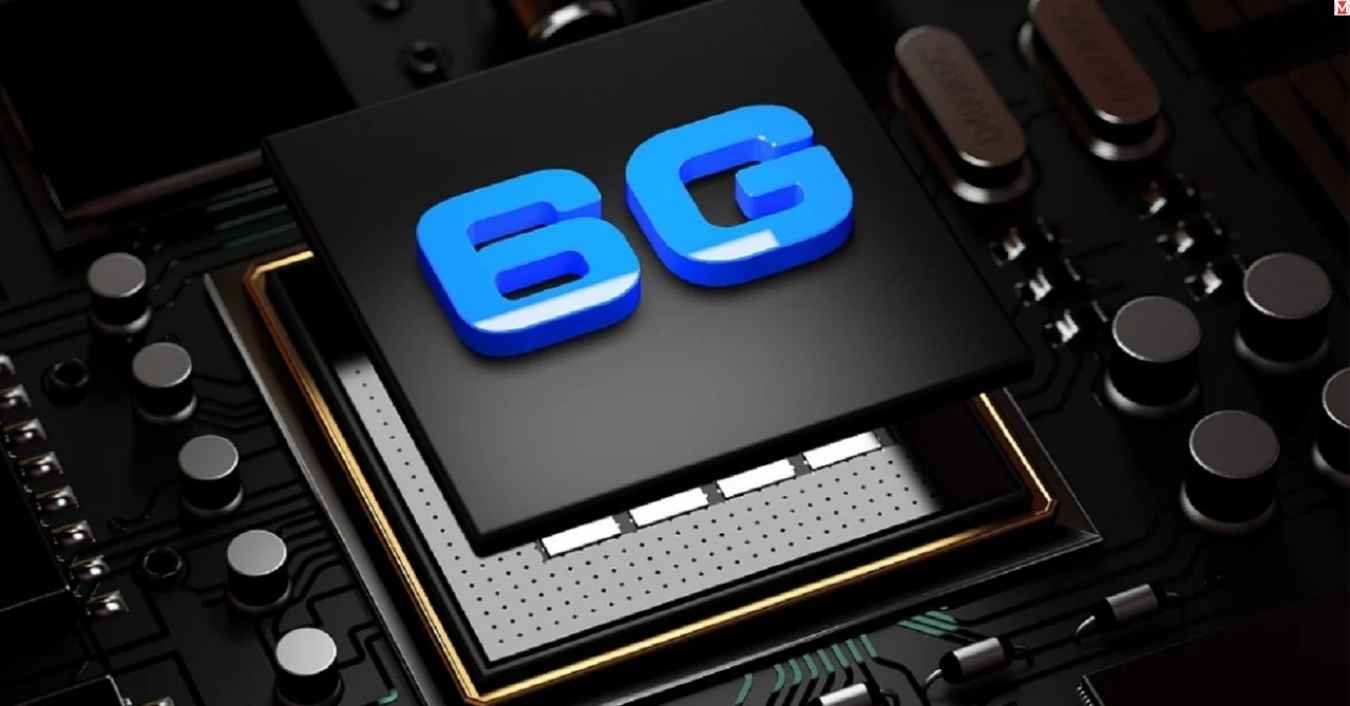
But the World’s First 6G Chip operates differently than anything we’ve seen before. Conventional chips can take care of one frequency at a time it’s like having separate keys for all the doors you walk through. This is a master key, or a universal 6G chip, that helps map the domain from 0.5 gigahertz up to 115 gigahertz.
How the magic happens
It operates on something called photonic-electronic convergence. More or less, it translates wireless signals into light waves and then works with those using photonic parts.
| Traditional Chips | World's First 6G Chip |
|---|---|
| Single frequency band | 0.5-115 GHz spectrum |
| Electronic processing | Photonic-electronic fusion |
| Limited bandwidth | 100+ Gbps capability |
| Large size | Thumbnail-sized |
The advanced chip fits on your thumbnail but packs more processing power than room-sized equipment from just a few years ago. Engineers achieved this using advanced thin-film lithium niobate photonic materials – a fancy way of saying they found better building blocks.
This breakthrough represents years of research into wireless communication fundamentals. Previous attempts failed because they couldn’t handle the entire frequency spectrum efficiently. This team solved that puzzle.
6G Chip vs 5G: The Real-World Jump
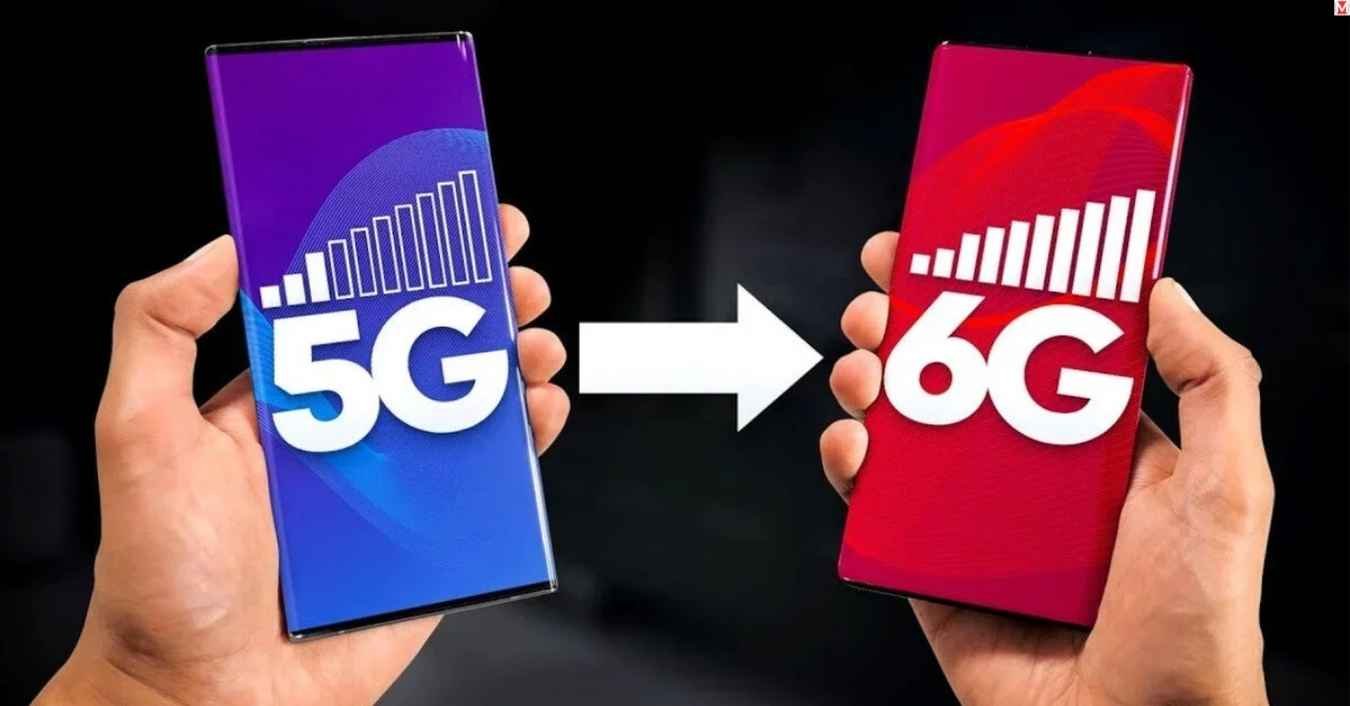
The gap between 5G and the World’s First 6G Chip resembles the difference between a bicycle and a rocket ship. While 5G promised theoretical speeds of 10 Gbps, real-world performance rarely exceeds 1-2 Gbps. This 6G technology delivers 100 Gbps consistently.
Real-world performance comparison
| Task | 5G Network | World's First 6G Chip |
|---|---|---|
| 4K movie download | 8 minutes | 4 seconds |
| Video call startup | 3-5 seconds | Instant |
| Cloud file sync | 2-3 minutes | 5 seconds |
| Online gaming lag | 10-50ms | Under 1ms |
The latency improvement changes everything. Surgeons performing remote operations need zero delay. Autonomous vehicles require instant communication between cars. The universal 6G chip makes these applications genuinely viable.
Social media hype around 5G promised revolutionary changes that never fully materialized. This sixth-generation chip delivers on those promises and then some. The technology doesn’t get you an incremental improvement in the existing service; it enables a new class of service.
The manufacturing costs are the bottleneck. Compared to the $50-100 that 5G chips cost now, the World’s First 6G Chip’s price is estimated to be between $300-500. The cost would be another matter, but with mass production, these are usually not so high.
How the 6G Chip Works Across Bands
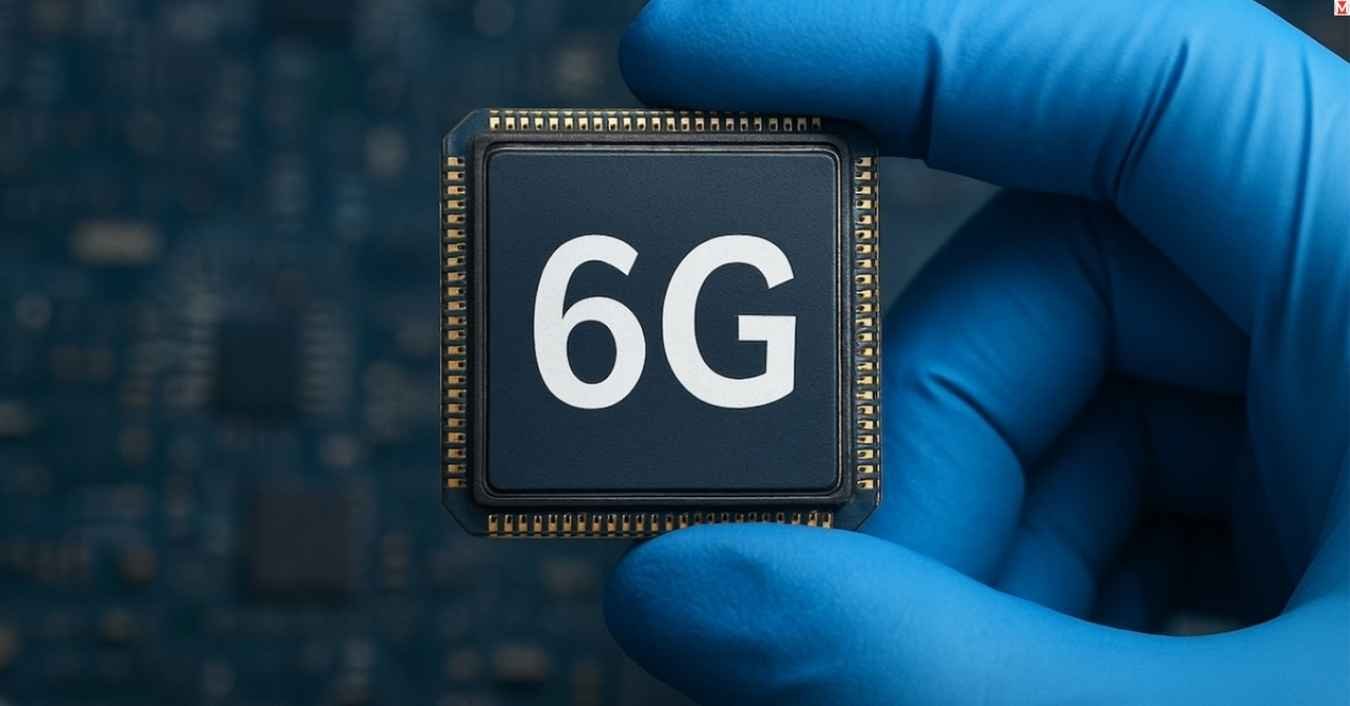
The World’s First 6G Chip functions like a maestro leading a full orchestra. Instead of playing a given instrument, it transmits all frequency range signals at once.
Technical breakdown
The chip has tunable lasers that create different frequencies when needed. When your phone has to talk to a cell tower, the universal 6G chip picks the cleanest frequency band all by itself. If that band is too full, it hops to one of your other bands immediately.
When lots of devices vie for the same frequencies, conventional chips get in the weeds with interference. This ultra-advanced chip solves that issue with smart frequency management. There are so many concurrent connections won’t affect the performance.
Frequency band utilization
- Low bands (0.5-6 GHz): Long-range coverage for rural areas
- Mid bands (6-40 GHz): Urban connectivity and capacity
- High bands (40-115 GHz): Ultra-high speed applications
Shifting heavy lifting to the photonic processing element. Rather than electrons flowing down silicon channels, information is carried in light waves through special optical channels. This process overcomes numerous historical bottlenecks.
Power efficiency improves dramatically, too. World’s First 6G Chip is 60% More Efficient Than 5G Equivalent and 10 Times Faster. Even better, battery life is actually improved despite the huge bump in speed.
From Lab to Networks: 6G Chip Timeline
The route from the lab to big-time use is a standard one, but the travel time is long. The World’s First 6G Chip is a working prototype, not a commercial product ready for your smartphone.
Deployment timeline
| Phase | Timeline | Milestone |
|---|---|---|
| Lab testing | 2024-2025 | Proof of concept complete |
| Field trials | 2026-2027 | Real-world testing begins |
| Limited deployment | 2028-2029 | Cyberpunk cities get early access |
| Mass rollout | 2030-2032 | Consumer availability |
Manufacturing represents the biggest hurdle. Making millions of such 6G chip units would require entirely new production plants. The new generation of “custom circuits” cannot deal with the photonic circuits easily in existing semiconductor factories.
Urban infrastructure requires major improvements as well. Cell towers need to be able to handle the new frequency bands and power levels. The expenditures faced by network operators are in the tens of billions of dollars in each major city.
International cooperation becomes crucial. Unlike previous wireless generations, 6G entails global coordination for frequency allocation and standards. Post-war relations between nations will also determine how fast this technology spreads globally.
The good news? Early adopters aren’t going to wait until 2030. Pretty soon, too, tech companies and research institutions will begin to quietly test the World’s First 6G Chip in controlled environments. By 2027, expect pilot programs in Tokyo, Seoul, Singapore, and other major cyberpunk cities.
Who Leads the 6G Chip Race in 2025?
But the World’s First 6G Chip will hand Chinese researchers a crucial early lead — even if the far from final race to master the sixth generation of wireless continues to shift in all directions around the world. 6G development is considered a matter of national security and an economic opportunity, at least in several countries.
Current competitive landscape
Technology whizz-kid advances China’s early-mover advantage on this one. The team’s economic war strategy is to go commercial with their semiconductor trump card before others close the lead. Rapid scaling of production capabilities is made possible with government funding.
American firms are not standing still. Alternative 6G approaches are heavily invested in by Qualcomm, Intel, and Broadcom. Their approach instead focuses on various technical solutions that could be more manufacturable.
South Korea has the best track record in deploying networks. Samsung and LG are engineering complementary technologies, which may come together to fit into any successful 6G chip design. So their attention is on the infrastructure side of the equation.
In Europe, there’s a joint approach through the Horizon Europe program. Nokia and Ericsson collaborate with universities in several countries. They’re working on open standards that any breakthrough chip could benefit from.
Key players and investments
| Country/Company | Investment | Focus Area | Timeline |
|---|---|---|---|
| China (Gov + Unis) | $15 billion | Photonic chips | 2025-2028 |
| Qualcomm (US) | $8 billion | Alternative designs | 2026-2029 |
| Samsung (Korea) | $6 billion | Network integration | 2025-2027 |
| Nokia (Europe) | $4 billion | Standards development | 2026-2030 |
The victor in this race will not just colonize telecommunications. Countries that control 6G tech will receive import duty exemptions and trade policies. Countries know that leadership in wireless results in economic and strategic benefits.
Intellectual property fights are already breaking out. The World’s First 6G Chip: One step ahead, the World’s First 6G Chip team shares over 200 patent applications on their groundbreaking findings. Get ready for vicious legal battles as other companies produce competing alternatives.
Innovations often come from surprising quarters. Even really deep-pocketed big corporations plowing money into difficult research efforts have been leapfrogged by university teams like the one behind this universal 6G chip. And the next breakthrough could likely come from a startup nobody has yet heard of.
Looking Ahead: What This Means for You
The World’s First 6G Chip. This isn’t only an advancement in speed- it’s a reimagining of what’s possible with wireless technology. VTOL drone networks also become viable when aircraft can talk in real time to ground control. Voice commands in smart homes are obeyed instantly.
Future cities from cyberpunk sci-fi are made possible. A form of very high-speed wireless, AR overlays, real-time language translation, and continuous device synchronization rely upon it.
This sixth generation also democratizes access to state-of-the-art technology. The same educational resources are allocated for rural schools as for their urban counterparts. Remote workers are just as good at collaborating as office workers. The real digital divide begins to close.
However, challenges remain significant. The speed at which such advances reach consumers will depend on manufacturing complexity, infrastructure costs, and international coordination. The World’s First 6G Chip Shows Technology Works – Now Comes the Hard Part: Making it Available to You and Me.
Frequently Asked Questions
Commercial ones won’t come until 2030-2032. Before the chip could become available to consumers, it would require a significant amount of testing and manufacturing scale-up.
Yes, the chip has backward compatibility with 4G and 5G networks, and makes new 6G capabilities available when infrastructure supports it.
Early pricing will probably be 50-100% higher than early 5G prices, but will come down over time as the tech matures and the competitive field grows.
Existing studies do not indicate any general health effects that are associated with wireless use and exposure to EMF. In fact, the chip consumes less power than many 5G implementations.
We expect to see commercial rollouts in large cities in China, South Korea, and Japan, followed by the US and Europe within 2-3 years of the first commercial services in the above.

Ansa is a highly experienced technical writer with deep knowledge of Artificial Intelligence, software technology, and emerging digital tools. She excels in breaking down complex concepts into clear, engaging, and actionable articles. Her work empowers readers to understand and implement the latest advancements in AI and technology.